Intercultural Insights: Travel Journaling Non-Verbal Communication and Customs
When traveling abroad, only a fraction of communication happens through spoken language. The rest, and often the most important part, is conveyed through silent customs, gestures, body language, and subtle social norms. Mastering this non-verbal vocabulary is key to respectful engagement and true cultural immersion.
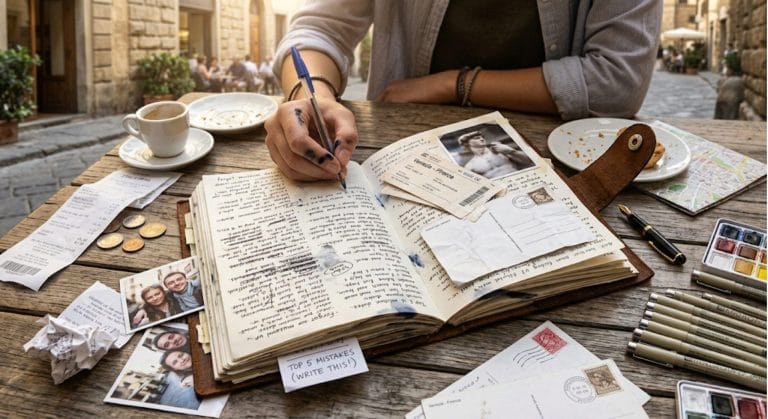
Your travel journal is the perfect tool for decoding these silent signals. It forces you to pause, observe critically, and record insights that you would miss in a rushed conversation.
We know that even experienced travelers are actively searching for cultural etiquette journaling, how to decode body language abroad, and intercultural communication prompts. Here are 8 thoughtful journal prompts to help you document and master the silent language of your host culture.
Learn more about our Quick-Fill Travel Journals for ANY Destination. Options for All Ages available.

1. 🤫 The Silent Greeting: Body Language at First Contact
The way people greet each other (or don’t) reveals a wealth of information about hierarchy, comfort, and respect.
- Prompt 1: The Handshake/Bow Audit: Describe the specific physical ritual of greeting (handshake firmness, bow depth, distance maintained). Who initiates the contact? What non-verbal signal (a change in eye contact, a posture adjustment) signals the greeting is complete?
2. 👂 The Listening Posture: Deciphering Attention
How people listen to you (or each other) often indicates status, agreement, or disagreement far more clearly than their words.
- Prompt 2: The Attention Code: Describe the posture of the person listening to you today. Was there direct eye contact (a sign of respect, or confrontation?), head nodding, or silence? How does this posture make you feel about the weight of your words? What do these gestures mean in their culture?
3. ⏱️ The Time Clue: Non-Verbal Pacing
Culture impacts the pace and timing of everything, from walking to responding to questions.
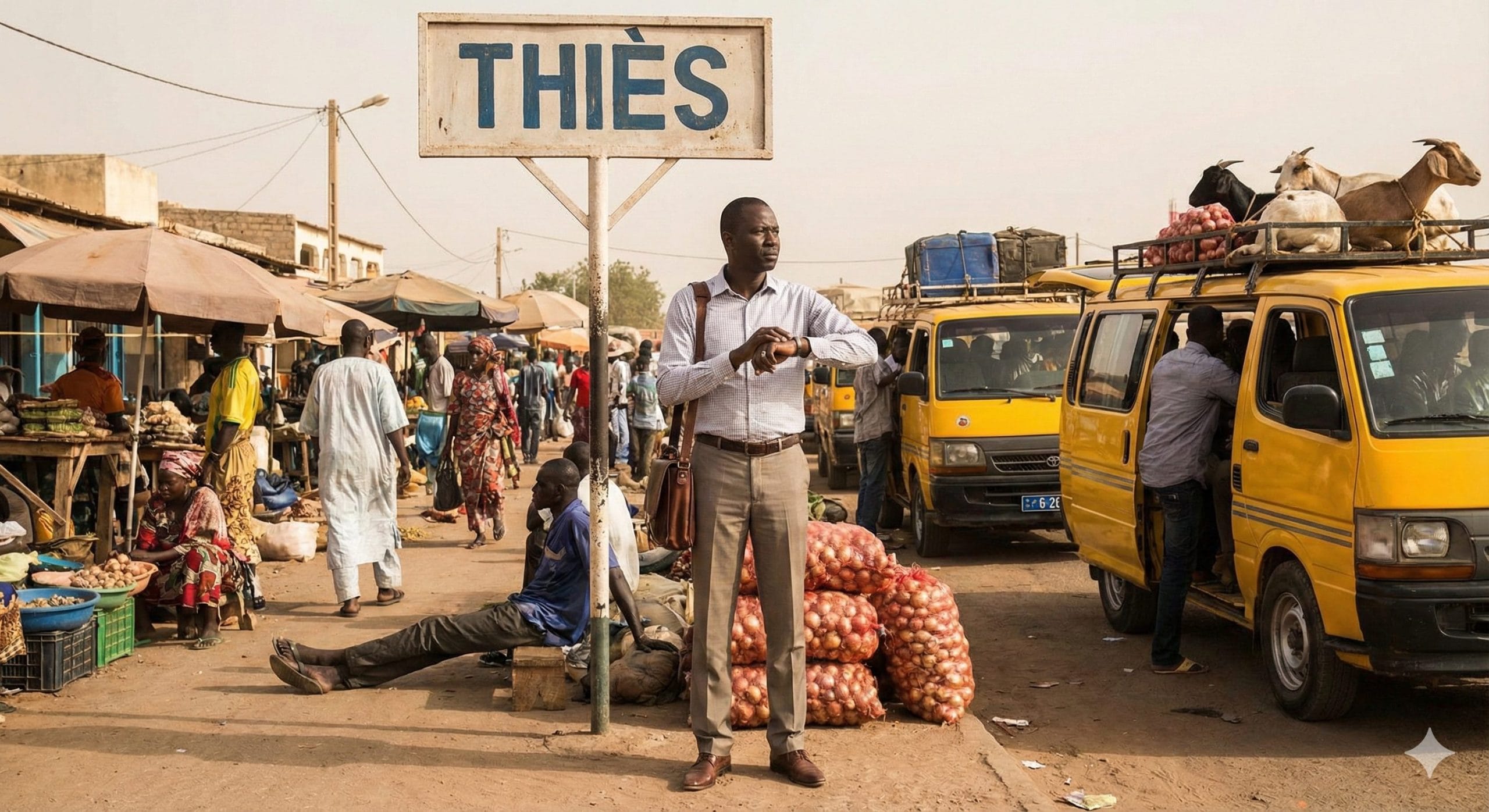
- Prompt 3: The Wait Time: Log a situation where you had to wait for something (a taxi, a response to a question). Note the duration and the general emotional atmosphere of the wait. Was the silence considered polite, or was it awkward? What is the non-verbal cue that signals a response is finally coming?


4. 🍽️ Table Manners: The Etiquette of Eating
In some cultures, meals are deeply ritualized events. Observing dining customs provides huge insights into family structure and social order.
- Prompt 4: Sharing and Seating: Observe a shared meal. Who serves the food? Where does the oldest/most respected person sit? Describe the non-verbal cues that indicate you should start eating, stop eating, or accept a second serving.
5. 🤏 Personal Space & Touch: The Invisible Bubble
The acceptable distance between people and the frequency of touch varies wildly by culture.
- Prompt 5: The Bubble Invasion: Describe a moment today where you felt someone was either too close or too far away. How did the person’s proximity make you adjust your own body language (leaning in, leaning out)? What social relationship (family, colleague, stranger) permits physical contact?
6. 🙋 Signaling Intent: Hands and Gestures
A simple hand gesture can mean entirely different things across borders (e.g., the ‘OK’ sign).
- Prompt 6: The Confusing Gesture: Record one gesture you saw today that you did not immediately understand (e.g., a hand flick, a specific wave, a head tilt). What meaning do you suspect it carried? (Look it up, or ask someone, later and correct the entry!)
Check out our Quick-Fill Travel Journals on Etsy:


Quick-FIll Travel Journal for ANY Destination
The travel journal for explorers who want to remember everything, but would rather be living the adventure than staring at a blank page.

7. 📸 The Photography Pause: Public Versus Private
How people react to being photographed or observed reveals boundaries around public and private life.
- Prompt 7: The Reaction Log: When taking photos in a public space, describe the non-verbal reaction of the people nearby (e.g., ignoring you, smiling, moving away quickly). What can this tell you about the local comfort level with being observed? And is the reaction situational? Don’t film me if I’m shopping, but if I’m dancing it’s okay. Yes, there is a place I’ve experienced this.
8. 📝 The Journal Reflection: Applying the Knowledge
The final step is translating observation into respectful action.
- Prompt 8: My Biggest Flaw: Based on today’s observations, what is one non-verbal habit I do automatically (e.g., crossing my legs, pointing with my finger, constant smiling) that I need to consciously curb or adjust while I am here?
By actively using your journal to decode these non-verbal insights, you move beyond the surface level of cultural interaction, becoming a more respectful, observant, and connected traveler.