10 Journal Prompts for Processing Wildlife Conservation on Safari
A safari is more than an exhilarating game drive; it’s a direct encounter with complex, moving issues of wildlife conservation, habitat preservation, and the relationship between local cultures and the natural world.
To travel mindfully is to reflect on these realities. Your travel journal is the perfect, private space to process the powerful, often conflicting, emotions that arise when encountering these vital topics.
We know that as a conscientious traveler, you are searching for mindful travel reflection, ethical tourism journaling, and prompts for processing conservation issues. Here are 10 thoughtful journal prompts to guide your reflections on wildlife, culture, and your place in the ecosystem.
Check out our range of Safari Quick-Fill Journals for All Ages with Animal Spotting Logs and other Safari features.
1. 🐘 The Conservation Contrast: Acknowledging the Effort
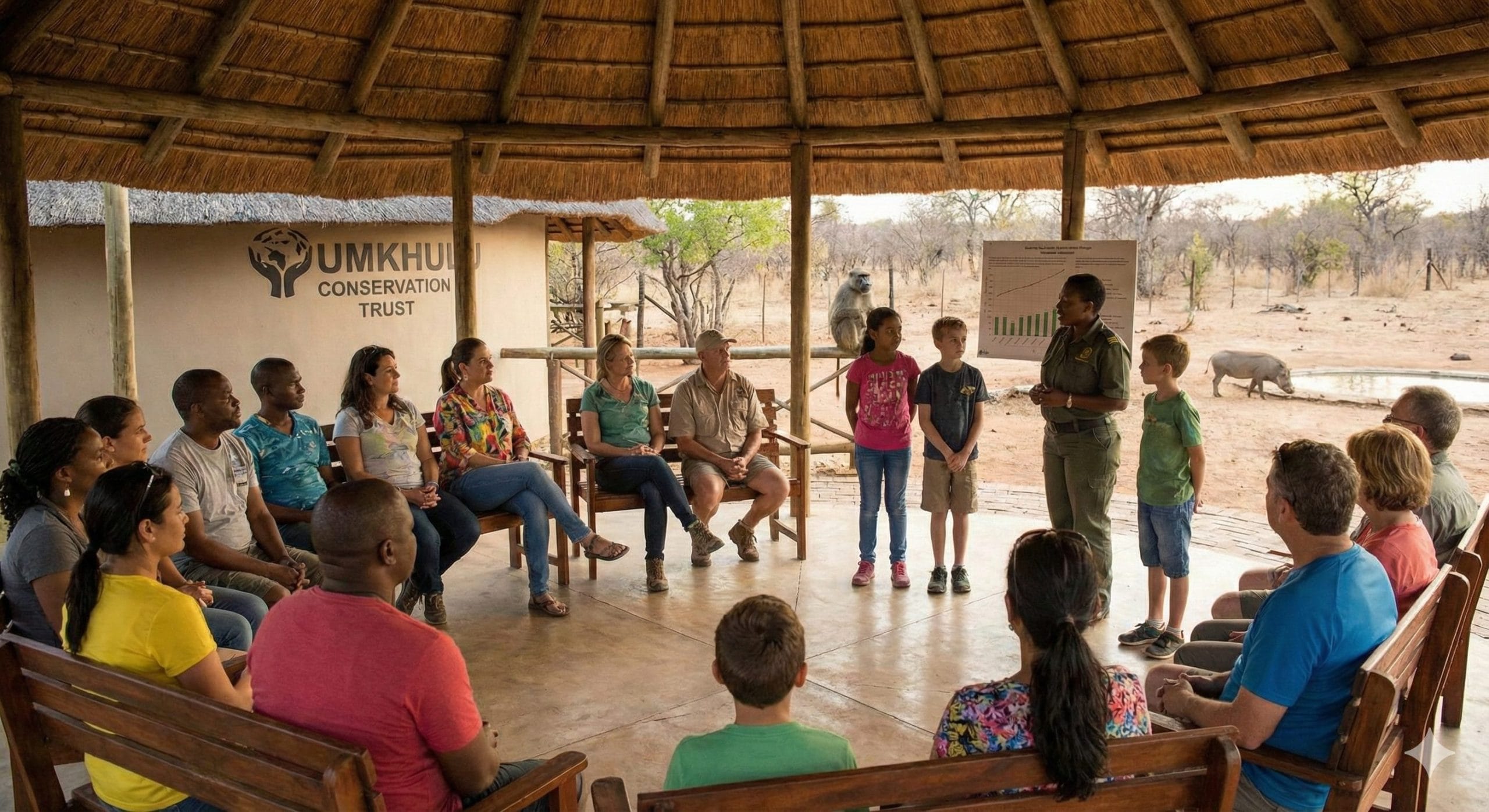
The animals you see thrive because of intensive, costly, and difficult conservation efforts. Acknowledge the work happening behind the scenes.
- Prompt: Describe one specific, tangible effort or project your guide mentioned today (e.g., anti-poaching patrol, community water project). What is one small, specific action I can take or one organization I can support to contribute to this effort after I leave?
2. 🤔 The Difficult Truth: Processing Human-Wildlife Conflict
In many areas, local people pay the highest price for conservation. Reflect on this complex relationship.
- Prompt: Write about a moment where you saw evidence of the struggle between human needs and wildlife safety (e.g., fenced farmland near a reserve, a sign about livestock). How does it make me feel to know that I benefit from this separation or conflict?
3. ⚖️ The Value Exchange: Tourism’s Role
Tourism dollars fund conservation, but tourism also impacts the environment and culture. Examine your own presence and its impact.
- Prompt: Describe a time today when I felt my presence (or the presence of our group) was disruptive, even slightly. How can I ensure my travel dollars and my behavior maximize positive impact and minimize disruption?


4. 🦒 The Animal’s Perspective: Empathy
Shifting focus from yourself to the animal allows for a deeper, more ethical reflection.
- Prompt: Choose one animal you observed today. Write a short paragraph from its point of view. What are its immediate concerns (food, safety, social group)? What is the single biggest threat it perceives in its environment?
5. 🏡 Cultural Integration: The Meaning of the Land
The land means something different to the local people than it does to you, the temporary visitor.
- Prompt: Based on conversations or observations, what is one element of the natural world (a tree, an animal, a mountain) that seems to hold deep cultural or spiritual significance for the local community? How does that understanding change my appreciation of the landscape?
6. 🌿 Ecosystem Interdependence: Small Actions, Big Impact
Conservation isn’t just about the Big 5; it’s about the entire ecosystem, including the smallest flora and fauna.
- Prompt: Describe one small animal or plant you saw (an insect, a specific type of grass, a flower). Write about its crucial role in the ecosystem (e.g., pollination, decomposition, food source). How does this change my perspective on the importance of “small things”?
7. 👂 The Language of Place: Local Knowledge
Your guide’s knowledge is a wealth of conservation and cultural understanding. Capture these unique perspectives.
- Prompt: Write down the most profound or surprising piece of information your local guide shared today regarding animal behavior, historical facts, or traditional uses of the land. How did this local knowledge correct a misconception I held?
8. 📸 The Ethics of the Lens: Capturing the Story
Be mindful of why and what you are choosing to document.
- Prompt: Reflect on my urge to photograph wildlife. Am I seeking a beautiful image, or am I trying to document a story? Write about a moment I chose not to take a photo, and why that decision felt more respectful or powerful.
9. 💖 Personal Connection: What Moves You?
Conservation is often driven by passion. Identify what part of the conservation effort truly speaks to you.
- Prompt: If I could dedicate my time or resources to solving one single problem I witnessed or learned about on this safari (e.g., water shortage, poaching, education), which problem would I choose, and why do I feel a personal connection to it?
10. 🔄 The Return Home: Sustaining the Lessons
The real work of ethical travel begins when the trip ends.
- Prompt: List three concrete ideas or changes I want to implement in my life or my community back home, inspired by the conservation efforts or the cultural resilience I witnessed on this safari. (e.g., reducing plastic, changing consumption habits, donating differently).
By engaging with these reflections, your travel journal becomes a powerful record of your growth, ensuring your safari is not just a passing experience, but a meaningful journey into ethical citizenship and environmental stewardship.
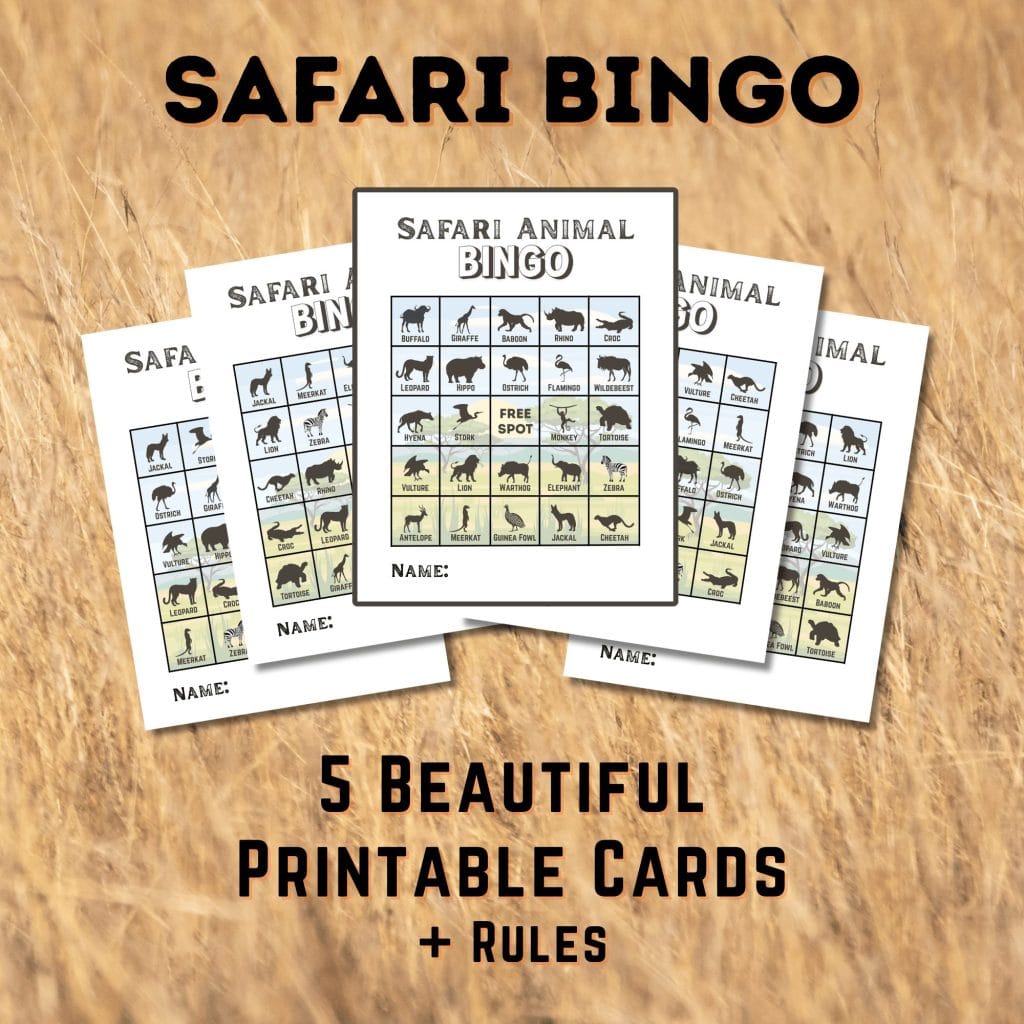
Safari Bingo Cards
The game you you need after a long day of safari drives, dust and bumpy roads. Fun for kids and adults alike.

Safari Bundle
Includes Safari Bingo, Safari Packing List and the Safari Quick-Fill Journal in a Printable OR Interactive Tablet Version

Safari Mega Bundle
Includes Safari Bingo, Safari Packing List and the Safari Quick-Fill Journal in a Printable AND Interactive Tablet Version