
Digital vs. Physical Travel Journals: Which Suits Your Style?
Travel journaling is one of the best ways to turn your trips into unforgettable stories. But with so many options available—from sleek digital notebooks to beautifully bound paper journals—you might wonder which one is right for your travel style. Whether you’re a creative digital nomad or a family-focused traveler, this guide breaks down the pros, cons, and best uses for both formats so you can make the choice that fits your lifestyle.
Learn more about our Quick-Fill Travel Journals for ANY Destination. Options for All Ages available.

Why Your Journal Format Matters
The journal you choose shapes how you record your memories. Digital journals are convenient and lightweight, perfect for fast-paced or minimalist travel. Physical journals, on the other hand, offer a tactile, immersive experience that many travelers crave. Understanding what you value in a journaling experience will help you pick the perfect format.
The Benefits of Digital Travel Journals
Digital travel journals are ideal for travelers who want flexibility and convenience. They’re especially popular with digital nomads, backpackers, and anyone who prefers typing or using their phone or tablet over writing by hand.
Pros of Digital Journals
– Lightweight and always accessible.
– Easy to back up and sync across devices.
– Perfect for long entries or fast typing.
– Ability to insert photos, links, videos, and maps instantly.
– Ideal for travelers with limited luggage space.
Cons of Digital Journals
– Can be distracting if notifications are on.
– Requires charging and screen time.
– Less tactile and personal than handwriting.
– Not always ideal in bright sun or environments where tech feels intrusive.


The Benefits of Physical Travel Journals
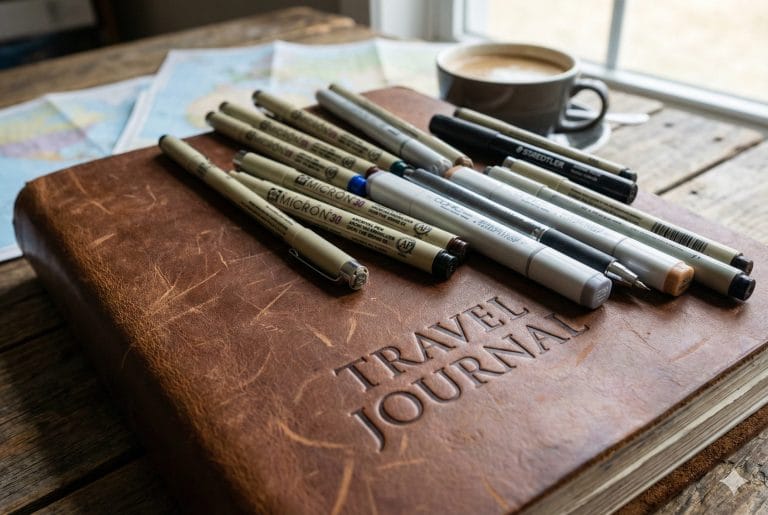
Physical journals create a slow-paced, mindful writing experience. They’re perfect for travelers who love the feel of pen on paper or want to create a keepsake that becomes part of the trip itself.
Pros of Physical Journals
– Tangible, personal, and nostalgic.
– Encourages mindfulness and deeper reflection.
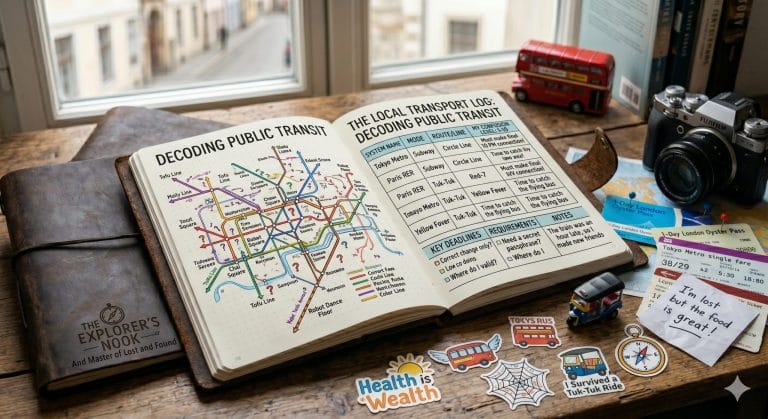
– Easy to add sketches, ticket stubs, stickers, or pressed flowers.
– No batteries, apps, or tech required.
– Great for family trips—kids can join in!
Cons of Physical Journals
– Adds weight to your bag.
– Can get damaged by rain, spills, or rough travel.
– No automatic backups.
– Slower for long or detailed entries.
Digital Journals Are Best For…
• Backpackers and long-term travelers who need to save space.
• Digital nomads who prefer typing and easy organization.
• Fast writers who like inserting photos or voice notes on the go.
• Minimalists who want an all-in-one tool with no extra weight.
Physical Journals Are Best For…
• Families who want a shared, meaningful keepsake from each trip.
• Creative travelers who sketch, doodle, or scrapbook.
• Mindful travelers who enjoy slowing down and reflecting.
• People who love tangible souvenirs and handwritten memories.
Hybrid Journaling: The Best of Both Worlds
You don’t have to choose just one! Many travelers use a hybrid approach, such as using a digital journal during the day for quick notes and writing deeper reflections in a physical journal at night. Or they jot down ideas digitally and transfer their favorite memories to a keepsake notebook when they’re home.
Check out our Quick-Fill Travel Journals on Etsy:


Quick-FIll Travel Journal for ANY Destination
The travel journal for explorers who want to remember everything, but would rather be living the adventure than staring at a blank page.

How to Choose the Right Format for Your Travel Style
Ask yourself these questions:
– Do I prefer typing or handwriting?
– Do I want to travel light, or do I love physical mementos?
– Do I travel with kids or solo?
– Do I want quick, practical journaling or deep, creative reflection?
– Do I enjoy adding photos, videos, or links to my entries?
Your answers will naturally point you toward digital, physical, or a hybrid method.
Whether you choose a digital or physical travel journal, the most important thing is that it supports your travel style and helps you capture the story behind each trip. Your journal should feel like an extension of your journey—something that inspires you to notice more, reflect more deeply, and remember the moments that matter most. Choose the format that fits your life, and start telling your travel story your way.